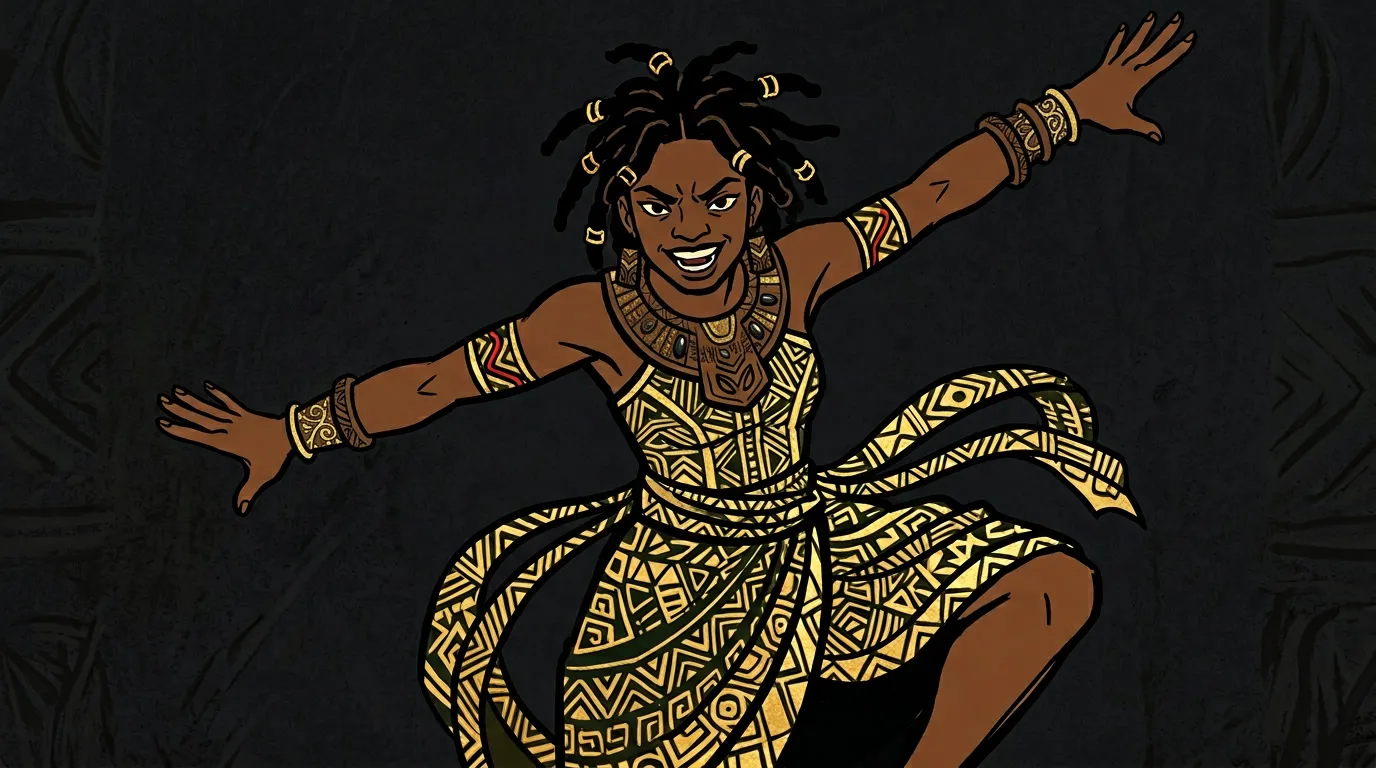
The Culture Was Never the Problem
AfroMax Investor Hub — The Problem, Part 1 of 2
Jimmy Fallon.
In the summer of 2021, the Tonight Show invited a group of social media stars onto its stage to perform the viral dances that had taken over the internet. The segment was celebratory — a mainstream television institution acknowledging the cultural moment that short-form video had produced. The audience applauded. The clips circulated. The guests took their bows.
None of them had created the dances they were performing.
The women who had — Jalaiah Harmon, who choreographed the Renegade at fourteen years old, and Keara Wilson, who created the Savage — were not on that stage. They were not invited. Their names were not mentioned. The culture they had made, watched hundreds of millions of times, had traveled from their bedroom floors to a national television stage without them.
It took a public backlash to force acknowledgment. When it came, it came as a correction — a footnote appended to a story that had already been told without them.
This is not an isolated incident. It is a pattern. And it is the pattern that AfroMax was built to end.
The Culture Has Always Been There
For as long as there has been a global internet, Black culture has been its most generative force.
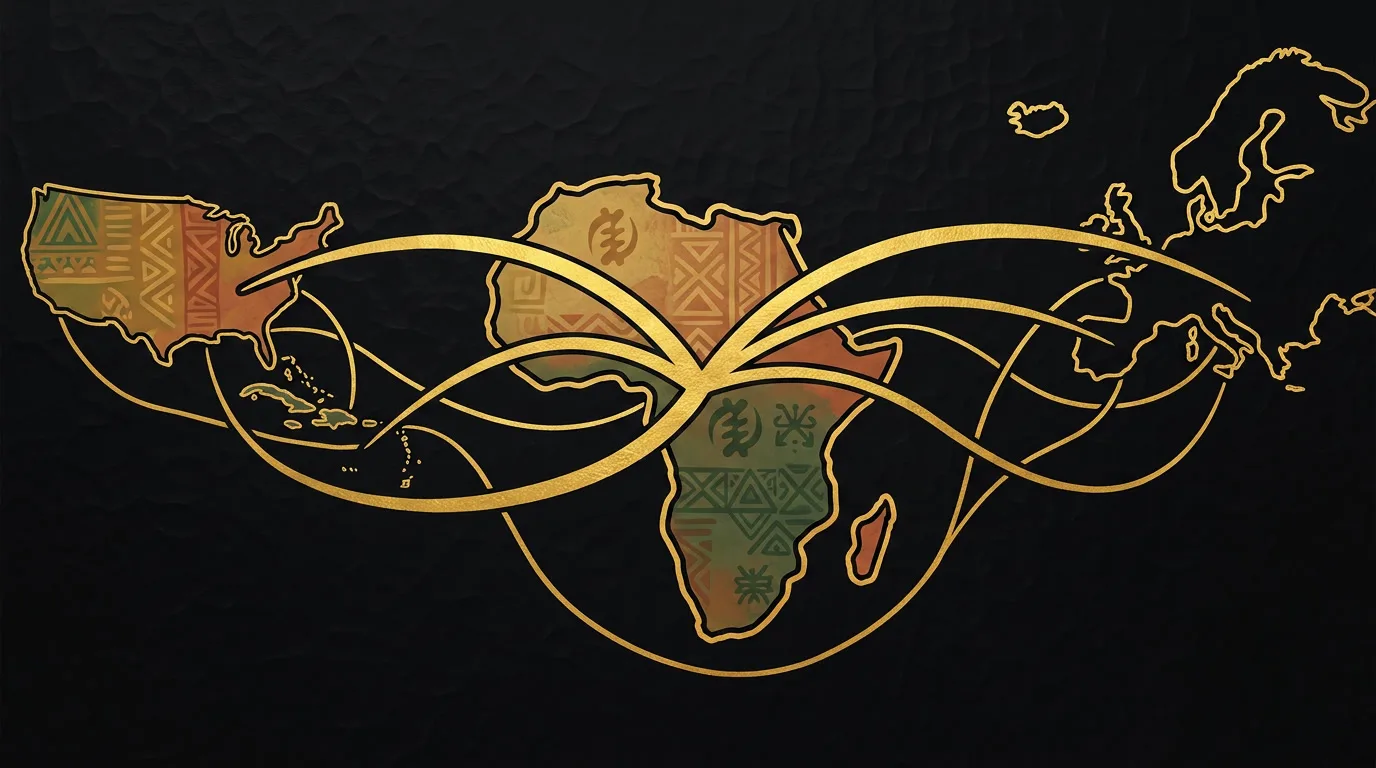
The dances. The music. The language. The aesthetics. The memes, the slang, the fashion that travels from Lagos to London to Los Angeles before most trend forecasters have noticed it moving. The Global Black Community — over a billion people on the continent, another 170 million living outside it — has been producing the cultural raw material that powers the attention economy for decades.
Afrobeats is now a dominant force in global music, not because a label decided to market it to Western audiences, but because the culture was powerful enough to demand attention on its own terms. Nigerian film is an international industry. Grenada's Spicemas carnival earned features in Rolling Stone — not because a corporation packaged it for consumption, but because the culture insisted on being seen. Caribbean and African Cultural Ambassadors are crossing oceans to perform in front of crowds that show up specifically for them, spending real money, filling real rooms.
The culture was never the problem. The infrastructure was.
What the Platforms Built — and What They Didn't
The same summer Jimmy Fallon's audience applauded dances they did not know were stolen, Black Cultural Ambassadors on TikTok went on strike.
They had spent years watching their original choreography, their trends, their cultural innovations get replicated by others who received the brand deals, the television appearances, and the mainstream recognition. When Megan Thee Stallion released "Thot Shit," Black Cultural Ambassadors decided to sit it out. No choreography. No tutorials. No cultural fuel for a machine that had been running on their creativity while cutting them out of the rewards.
What happened next said everything. Viral compilations spread across the internet showing the void the strike had created — content so devoid of the original energy that even its own audience mocked it. Despite the fact that Megan's lyrics literally contained instructions for how to dance, nothing caught. The culture had withdrawn, and the platform had nothing.
TikTok issued a statement saying it cared deeply about the experience of Black Cultural Ambassadors. What it did not do was change the economic structure that had made the strike necessary in the first place.
That structure remains intact today.
The Tax Nobody Talks About
TikTok's Creator Rewards Program — the mechanism through which Cultural Ambassadors earn directly from their views — is available in eight countries: the United States, the United Kingdom, Germany, France, Japan, South Korea, Brazil, and Mexico.
Zero African countries are included. Not one.
On a continent of 1.4 billion people that TikTok itself acknowledges as one of its fastest-growing markets, not a single Cultural Ambassador can earn directly from their views through the platform's primary monetisation scheme. The official explanation cites payment infrastructure and local regulations. The real explanation is simpler and more insulting: Africa does not generate enough advertising revenue to be worth the effort.
It is not just TikTok. YouTube's CPM rates for African countries are significantly and consistently lower than those in Western markets. African musicians and podcasters on Spotify earn a fraction of what artists in other regions earn from identical streams. The infrastructure of the digital economy was built around Western advertising markets, and everyone outside those markets pays the tax.
The result is a structural injustice that the industry has normalised: the culture that drives these platforms — the dances, the sounds, the aesthetics, the trends that travel from Lagos to London to Los Angeles — is produced by communities that the platforms have decided are not worth paying.
The Audience Is Already Paying Anyway
What makes this injustice particularly clear-eyed as a market opportunity is that the audience is not waiting to be convinced. They are already there. Already spending. Already hungry.
Mark Angel built Nigeria's largest YouTube comedy channel from a neighbourhood in Port Harcourt. His audience spans the continent, the Caribbean, and every city in the world where Africans and their descendants have settled. When he took that show to a live stage in Jamaica — performing in front of a Caribbean crowd that showed up specifically for him — it was not a touring experiment. It was proof. The diaspora relationship with African Cultural Ambassadors is not passive. It converts to rooms full of people and real economic activity.
African Tigress — Kenyan travel Cultural Ambassador Mercyline Masanya — has built her platform on a mission to rebrand Africa from the inside. When she toured the Caribbean, she did not arrive as an outsider documenting an exotic culture. She arrived as an African woman recognising her own reflection in a diaspora that carries the same roots. The audience she found was not stumbling across her content by accident. They were seeking it.
Black Acres of the Gambia — a Black American family who repatriated to the Gambia and began building a farm and a life on African soil — funds their project through a Patreon community of diaspora members sending monthly payments from America. The people paying are not passive viewers. They are investors in a vision of what the relationship between the diaspora and the continent can become.
Phillip Scott looked at the diaspora's appetite for news and cultural commentary told from a Black perspective and built the African Diaspora News Channel — a daily YouTube network with multiple channels, contributors spanning Nigeria and the United States, and over 550 million views. He did not build a channel. He built infrastructure, because the demand required it.
None of them are waiting for mainstream validation. All of them have found that when you speak directly and authentically to the Global Black Community, that community shows up — emotionally, culturally, and financially. All of them are doing it on platforms that were not designed for them, extracting value from infrastructure built for someone else's market, paying the tax, and still finding a way to make it work.
What Changes When the Platform Fits
Imagine what becomes possible when the platform is built specifically for this community.
Cultural Ambassador earnings no longer hostage to ad geography. A Cultural Ambassador in Accra with an audience in London and New York earns based on the cultural resonance of their work and the spending power of the community that loves them — not the CPM rate of their local ad market.
Cultural value that circulates within the community rather than flowing outward to a platform with no accountability to the culture it profits from.
Content rewarded on cultural terms, by an algorithm designed to understand and serve this specific audience — not a generic global one.
A home. Not just a feed.
AfroMax earns from events ticketing, in-app virtual currency, and dating — not advertising. The platform is cookieless by design and carries no advertising infrastructure of any kind. Cultural Ambassadors on AfroMax earn from their own events and from subscriptions their community chooses to pay — not from the CPM rate of an ad market that was never built for them.
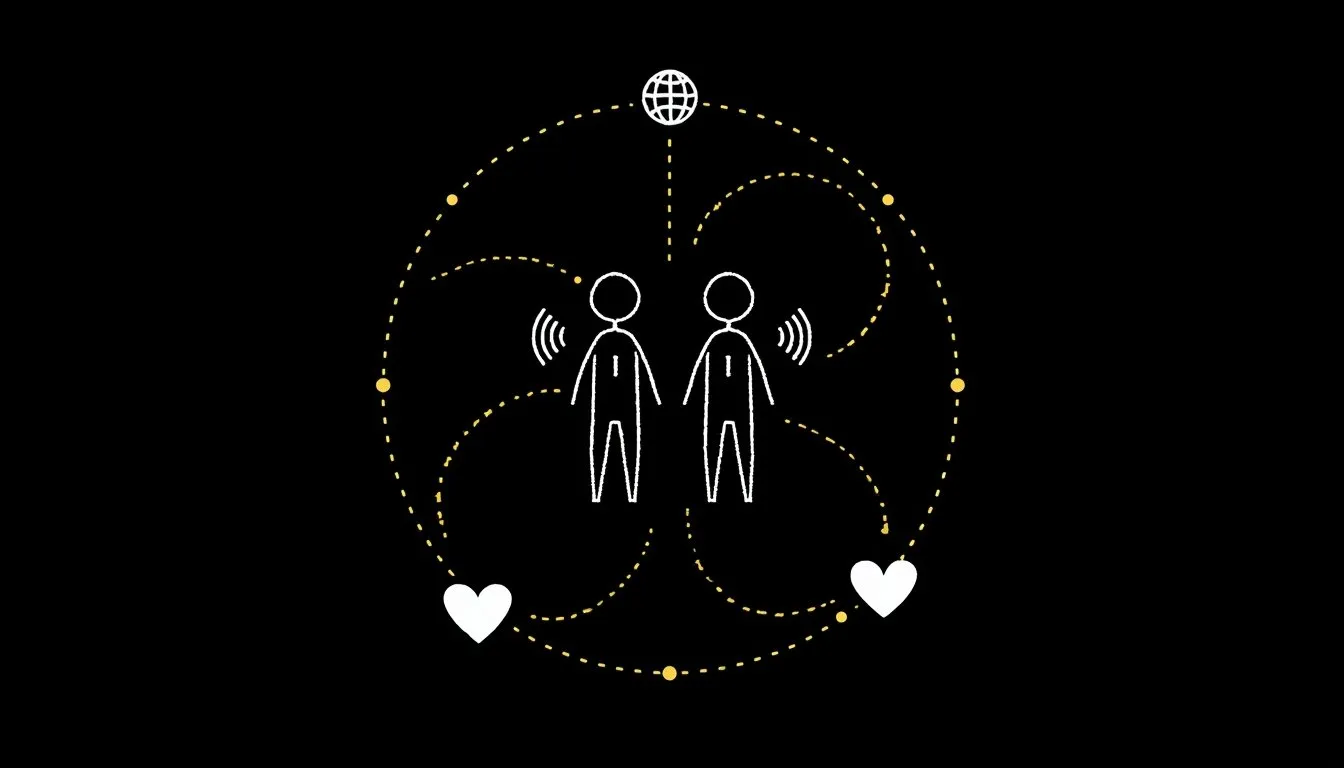
These are not three separate products. They are three expressions of a single thesis: that the Global Black Community deserves a platform where content leads to real connection, real connection leads to real events, and real events lead to the people who were always meant to find each other. The product is solitary: connection.
The Moment That Made It Real
AfroMax was built in public. Before a press release. Before a pitch deck in wide circulation. Before a single line of press coverage. The platform's founder posted in Reddit communities — r/blackmen, r/Nigeria — and asked the community what they thought.
The feedback was unfiltered. Some of it was brutal. All of it was useful. The platform's name changed as a direct result. The pitch sharpened. The product got more honest.
And then, in r/Nigeria, something happened that no marketing budget can manufacture.
A community member — unprompted, with no incentive offered, before AfroMax had launched a single user — offered to become a platform ambassador.
Not because they were asked. Not because there was anything in it for them yet. Because they recognised, in what AfroMax was building, something they had been waiting for.
That is what genuine product-market resonance looks like before a product exists.
That is the culture. It was never the problem. It was always the proof.
AfroMax is a video-first cultural lifestyle platform for the Global Black Community. Content, dating, and events — built for culture, not addiction. Learn more at afromax.app.
How AfroMax is structured so that no major platform can replicate it — and why the business model that made TikTok and Instagram powerful is the same reason they cannot follow AfroMax where it is going — is the subject of the next article.